

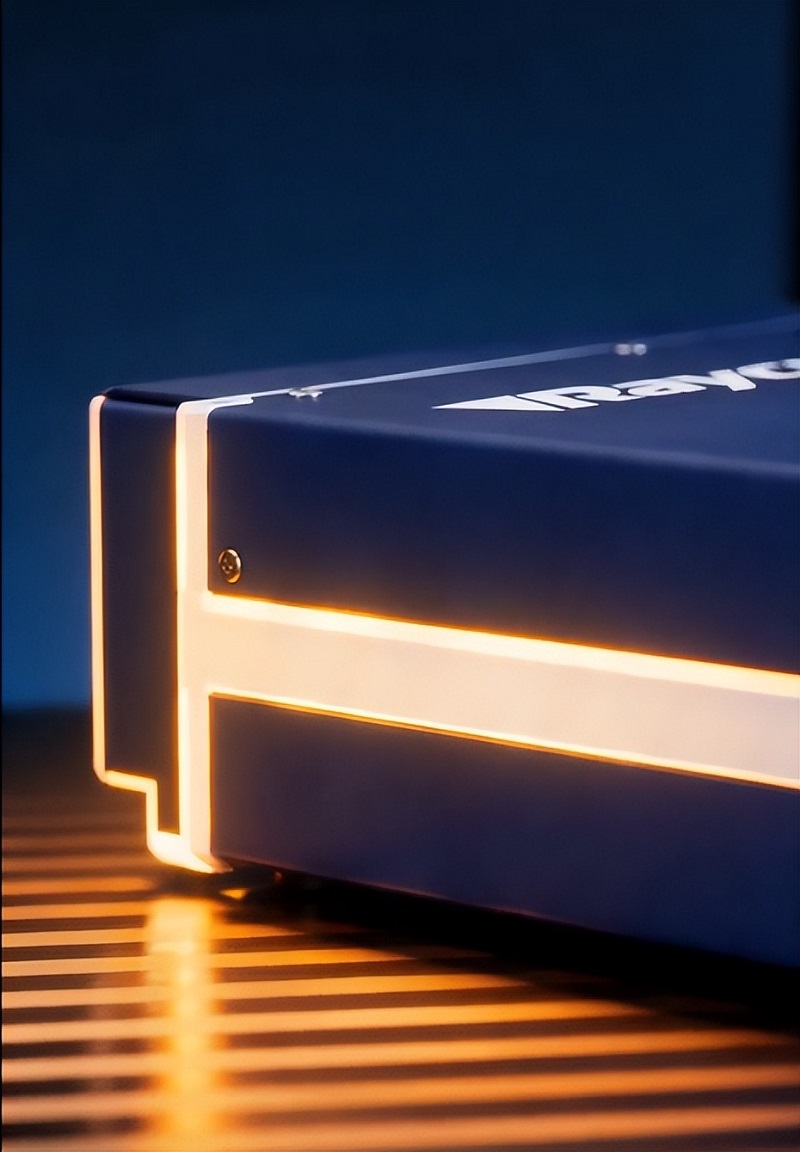
In the manufacturing of glass components for consumer electronics and smart home appliances, screen printing and inkjet printing have long been the mainstream methods for marking graphics and text on glass surfaces. These traditional processes not only consume materials such as inks and solvents but are also prone to issues like marking detachment and fading. Furthermore, they generate small amounts of pollutants, making it difficult to meet modern manufacturing requirements for green production and long-lasting durability. Recently, Chongqing Chuke Intelligent Machinery Equipment Co., Ltd. (hereinafter referred to as "Chuke Intelligent") successfully optimized a process for creating permanent black marks on glass using an infrared picosecond laser. By utilizing the Raycus RFL-P60MX picosecond laser in conjunction with a stainless steel target for assisted processing, the company overcame the challenge of achieving high-contrast, permanent black marking, thereby offering a novel solution for the glass deep-processing industry.
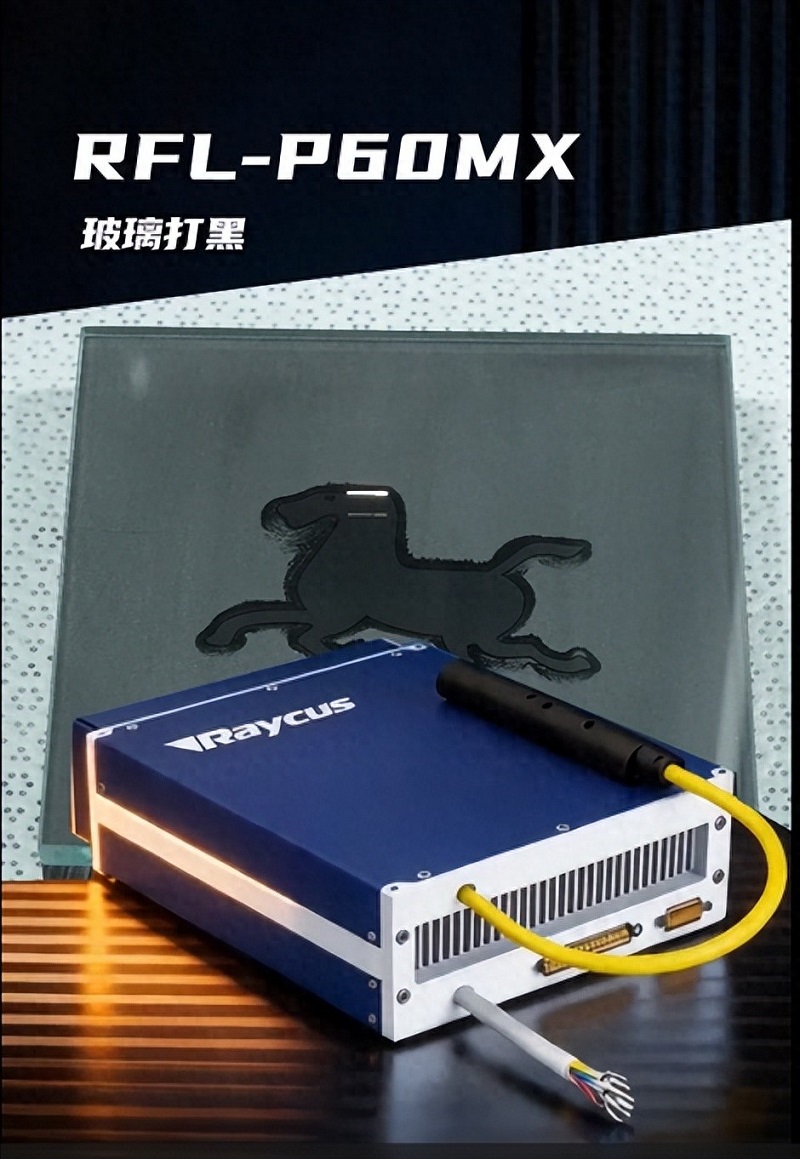
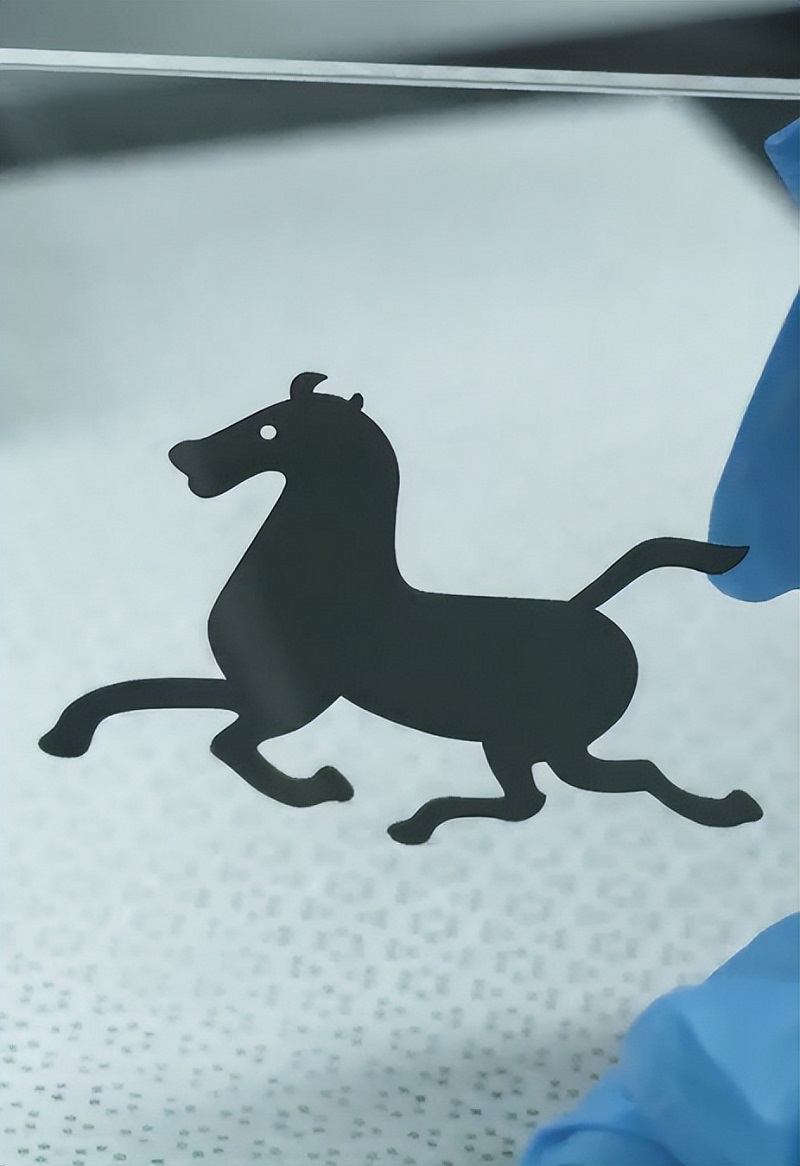
Unlike standard direct laser engraving, this "black marking" method employs a target-assisted processing approach. Operators place the transparent glass workpiece in close contact with a stainless steel target and precisely focus the laser beam on the interface between the glass and the stainless steel. The infrared picosecond laser features ultra-short pulses and a minimal heat-affected zone, ensuring the glass does not crack or shatter. High temperatures are generated instantly at the focal point, decomposing the surface layer of the target material into fine carbon particles; under high pressure, these particles are embedded into the glass surface, creating uniform, rich black markings. The process involves no pigments; the mark is embedded within the glass, ensuring the pattern does not peel off due to wiping or friction, and the durability of the mark matches the lifespan of the workpiece itself.
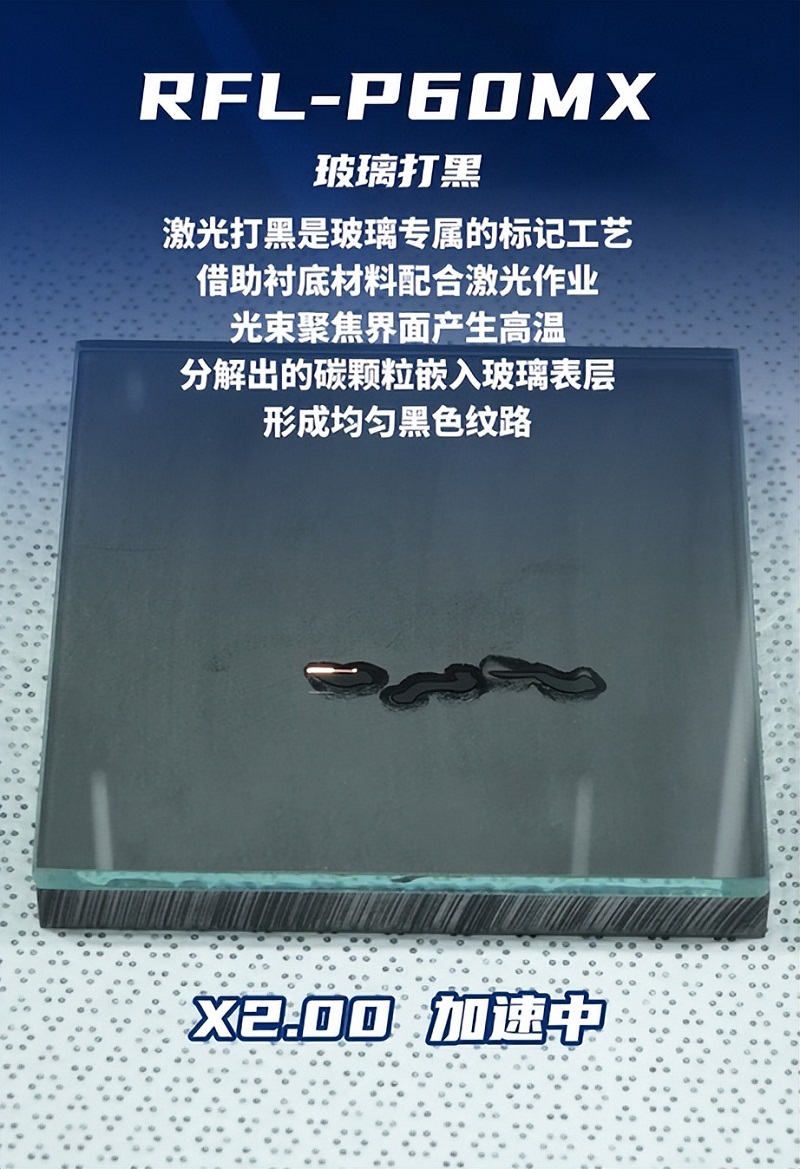
Extensive sample testing has fully validated the stability of this process. Patterns were successfully marked on standard float glass, tempered glass, and ultra-thin electronic glass. The resulting marks exhibited uniform blackness, crisp line details, and clean edges without burrs, achieving a level of contrast far superior to conventional internal laser engraving. The entire process requires no ink and generates no exhaust fumes or waste materials, truly achieving zero consumables and zero pollution. Additionally, the stainless steel target is reusable, allowing for significant cost savings during long-term mass production. The equipment's operating speed can be increased as needed; even at double the standard processing speed, it maintains consistent pattern color and quality, making it fully compatible with high-volume assembly line operations.
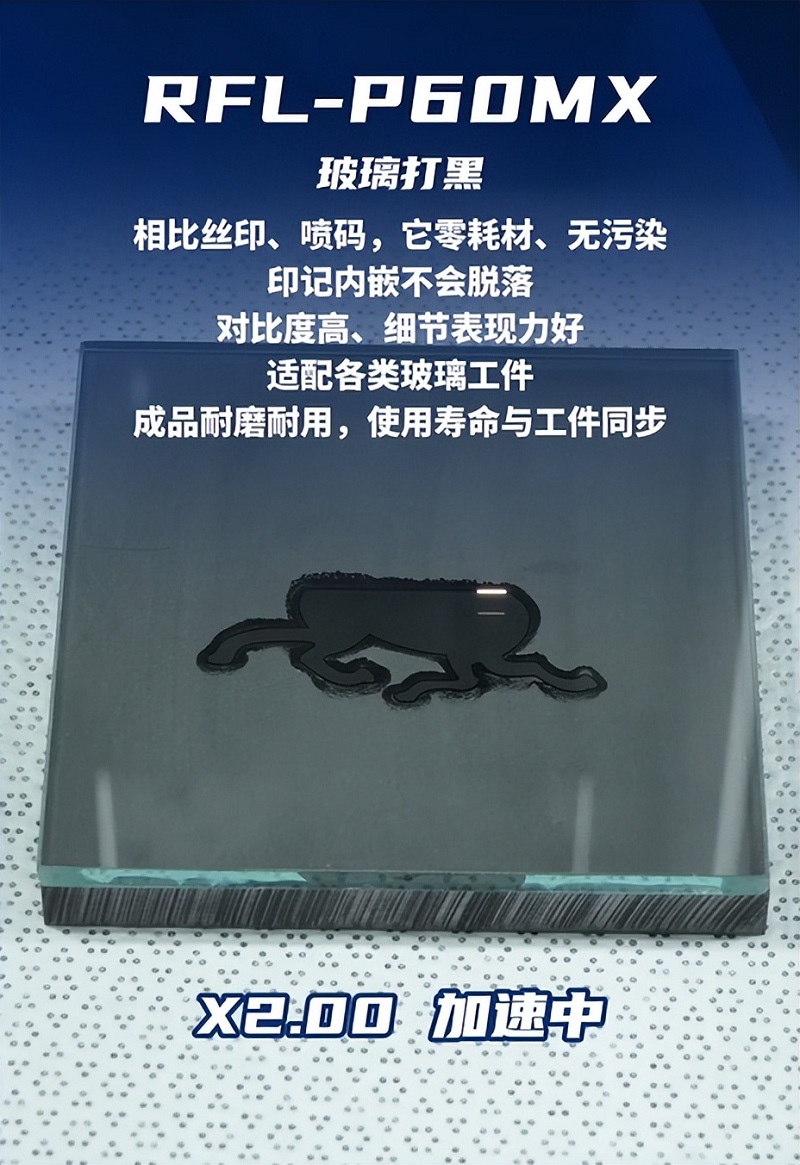
Previously, achieving a solid, jet-black mark on glass typically required expensive ultraviolet (UV) ultrafast lasers. By utilizing a 1064nm infrared picosecond laser system combined with a simple stainless steel backing, the initial equipment investment cost has been significantly reduced. Through rigorous parameter optimization, the Chuke Intelligent team resolved common issues—such as uneven blackening, localized whitening, and stress-induced cracking—enabling standard infrared picosecond equipment to consistently deliver high-quality black marking results. The process handles everything from small logos to large-format graphic markings in a single pass.
This glass black-marking process has already undergone multiple rounds of sample validation. Moving forward, the Chuke Intelligent project team will continue to refine optical path parameters and target-matching strategies, expand the range of compatible glass types, and further enhance processing efficiency. As demand grows for applications such as home appliance panels, smart touch-sensitive glass, and automotive decorative glass, this consumable-free laser marking process is poised to replace traditional screen printing, becoming the mainstream choice for marking precision glass components and helping manufacturers upgrade their processes and achieve greener operations.